
16 September 2024
The Integrated Cooker Hood – Secret to a Sleek and Modern Kitchen
Table of Contents
- What is an Integrated Cooker Hood?
- The Advantages of Integrated Cooker Hoods
- The Performance and Efficiency of Integrated Cooker Hoods
- The Maintenance of Integrated Cooker Hoods
- Integrated Cooker Hoods and Kitchen Air Quality
- Filter Types
- How to Choose the Right Integrated Cooker Hood for Your Kitchen
- Visit the KitchenEx Showroom
- Conclusion
- FAQs
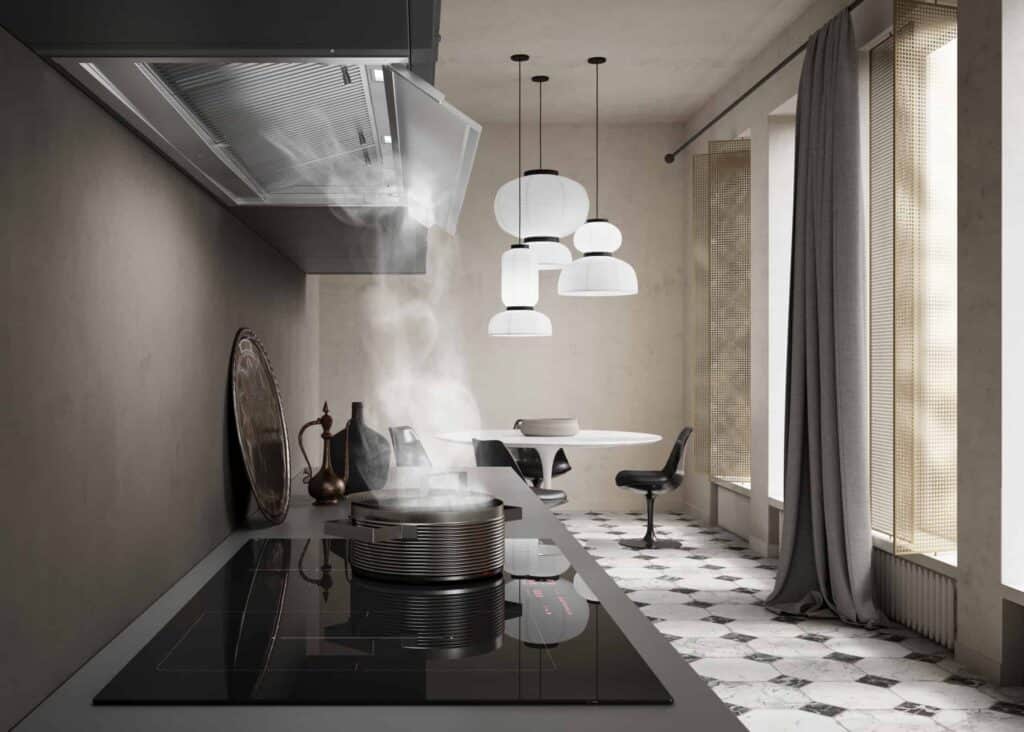
Minimalistic and modern kitchen designs are becoming increasingly popular as the kitchen evolves from a purely functional space to the centre of home design. With this trend, the integrated cooker hood has emerged as an essential kitchen addition.
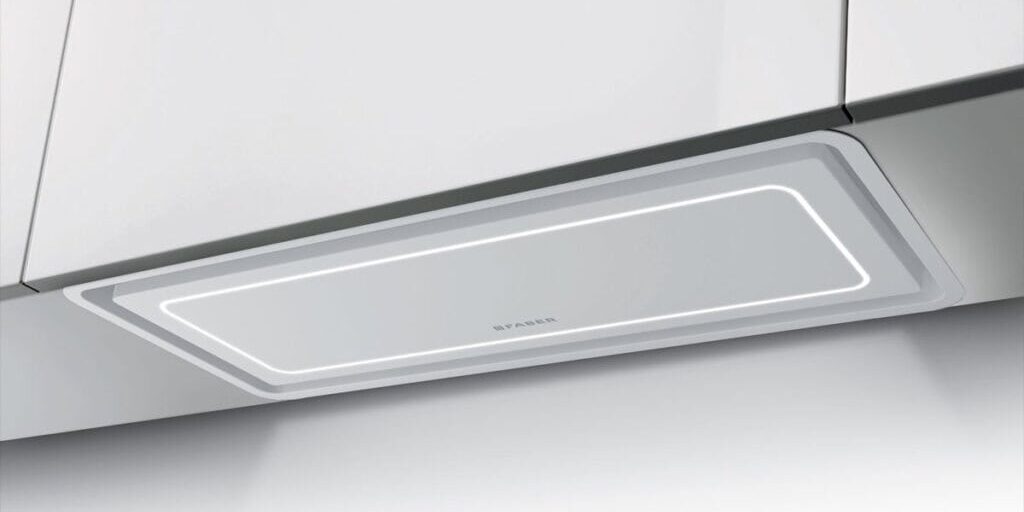
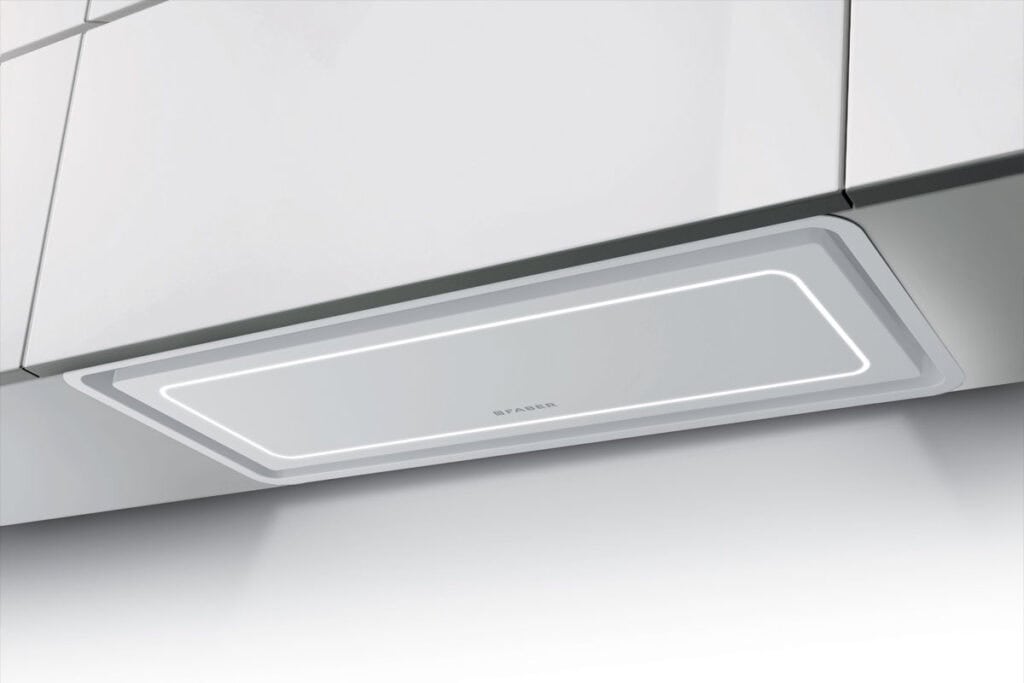
An integrated cooker hood — sometimes referred to as a canopy hood, integrated extractor fan, integrated kitchen extractor fan, or built-in cooker hood — is designed to blend seamlessly into your kitchen, maintaining clean lines and a clutter-free environment.
In this article, we will dive deep into the different types of integrated cooker hoods, their pros and cons, as well as their key features. By the end of this article, you will know exactly how to choose the perfect integrated cooker hood that not only suits your kitchen’s design but also meets your cooking needs.
What is an Integrated Cooker Hood?
An integrated cooker hood is a modern kitchen appliance designed to blend seamlessly into your cabinetry, providing effective ventilation without disrupting the aesthetic of your kitchen.
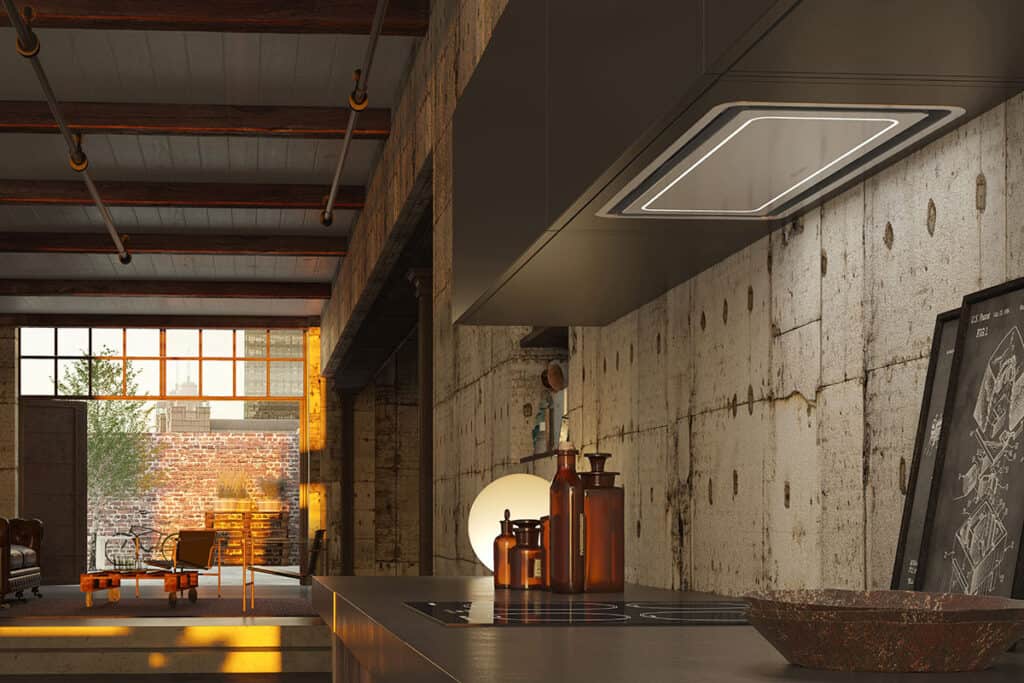
Unlike traditional cooker hoods that are often bulky and visually prominent, an integrated cooker hood is discreetly built into the kitchen’s design, often hidden within a cupboard above the hob.
The primary function of an integrated cooker hood is to extract moisture, smoke, and cooking odours from the kitchen, maintaining clean air while you cook. This is achieved through an integrated extractor fan, which draws in the air and either vents it outside or recirculates it after filtration.
Compared to traditional extractor hoods, a built-in cooker hood offers a space-saving solution, ideal for those looking to maintain a sleek, clutter-free kitchen environment. This integration allows for more flexibility in kitchen design, making it a popular choice for modern homes.
The Advantages of Integrated Cooker Hoods
The Design Benefits of Canopy Hoods
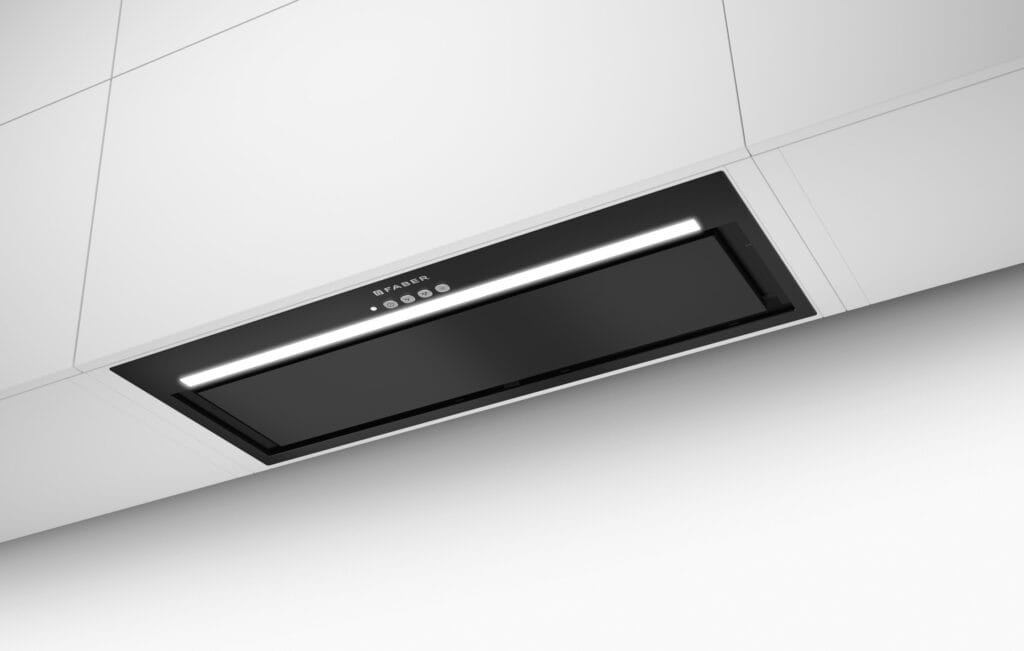
Since integrated cooker hoods are designed to seamlessly blend into your kitchen, they allow for a more cohesive look, becoming an almost invisible part of the kitchen.
This discreet design is particularly beneficial for those aiming for a minimalist or contemporary kitchen aesthetic, where clean lines and seamless transition between surfaces are key.
The Space Efficiency of Integrated Cooker Hoods
One of the standout features of an integrated kitchen extractor fan is its ability to save space. Because it is built into the kitchen cabinetry, it often frees up valuable overhead space that would otherwise be occupied by a bulky hood.
This makes it an ideal choice for smaller kitchens, where maximising space is essential.
Especially in open-plan layouts, where the kitchen merges with living areas, the built-in cooker hood ensures that the ventilation system does not disrupt the visual flow of the space, creating a spacious and airy feel.
Built-In Cooker Hoods and Their User-Friendly Features
Modern integrated cooker hoods come equipped with a range of advanced technological features that make them not only efficient but also user-friendly.
For example, the inventors of the domestic cooker hood, Faber’s In-Nova Premium has a filter saturation alarm that warns you when it is time to clean the anti-grease filter or replace the charcoal filter, saving you worry and time.

And Faber’s Victory 2.0 has a delayed switch-off function that allows the motor to automatically switch off 30 minutes after cooking has finished, to eliminate residual odours.
The integration of touch controls, smart sensors, LED lighting, and even connectivity options further enhance the functionality and convenience of these appliances.
The Benefits of Investing in an Integrated Cooker Hood
Home buyers are increasingly gravitating towards modern and updated kitchens. According to a survey cited by Kitchen Aid, updating your kitchen appliances, including cooker hoods, can increase your home’s value by 3-7%.
What’s more, certain features of integrated cooker hoods – such as energy efficient options, innovating technology, updated styles and colours, as well as smart appliance options — make them likely to add more perceived value to your home’s resale price, setting your home apart in the housing market.
This makes integrated cooker hoods a smart investment in your home’s value.
The Performance and Efficiency of Integrated Cooker Hoods
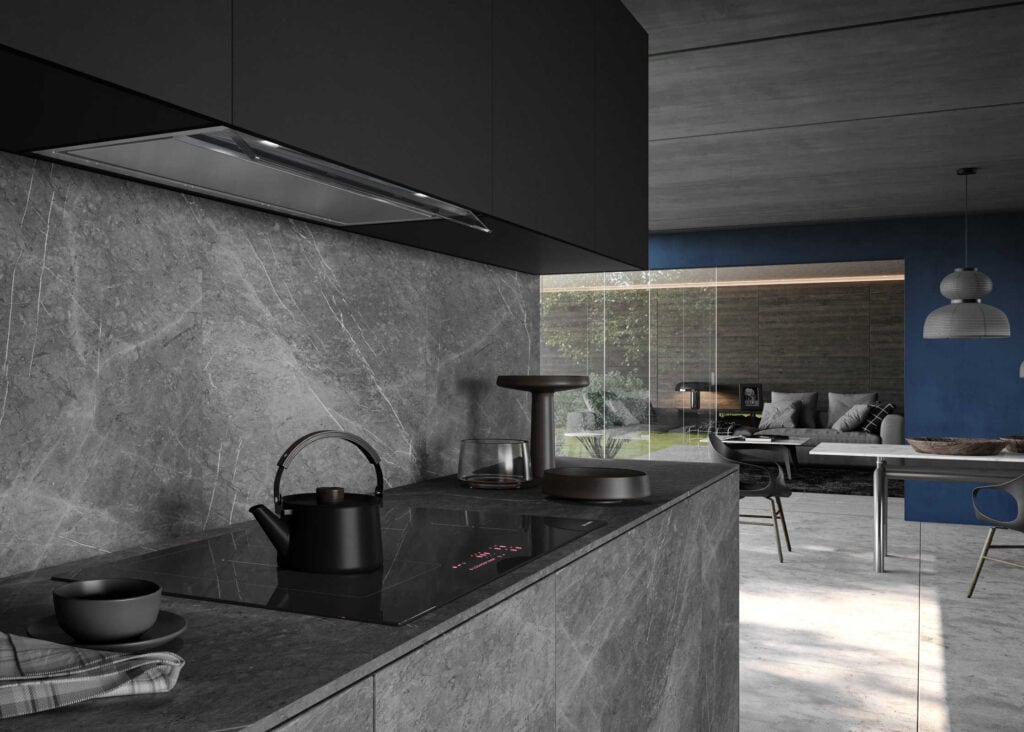
Ducted Out VS Recirculating
Integrated cooker hoods primarily utilise two types of ventilation systems: ducted out and recirculating. It is important to keep these systems in mind when considering where to install your cooker hood in the kitchen.
Ducted Out
In a ducted out system, the integrated extractor fan expels cooking smoke, moisture and odours outside the house through a ducting system. This ensures that the kitchen air remains fresh and clean.
If you would prefer to have this ducted-out ventilation system installed, it is best to place your hob and integrated cooker hood against an external wall, to make it easy to install the ducting.
Recirculating
Recirculating systems pass the kitchen’s air through a series of special filters to remove grease, odours, steam, smoke, and impurities. This purified air is then released back into the kitchen.
A recirculating system can be installed pretty much anywhere in a kitchen and is ideal for smaller homes and apartments, where space is at a premium or making ducting holes in the wall is not an option.
Both systems have their own benefits and limitations, and the choice between them often depends upon the specific kitchen layout and the cooking habits of the user.
If you are unsure about which ventilation system would be best for your needs, it is worth reading our blog discussing this technology at this link.
The Energy Efficiency of Integrated Cooker Hoods
According to a 2024 study published in the International Journal of Science and Technology, energy-efficient appliances have a transformative impact on lowering utility bills and improving long-term financial well-being.
Fortunately, modern integrated kitchen extractor fans are designed with energy conservation in mind, often featuring highly efficient motors that consume less power while still providing strong ventilation.
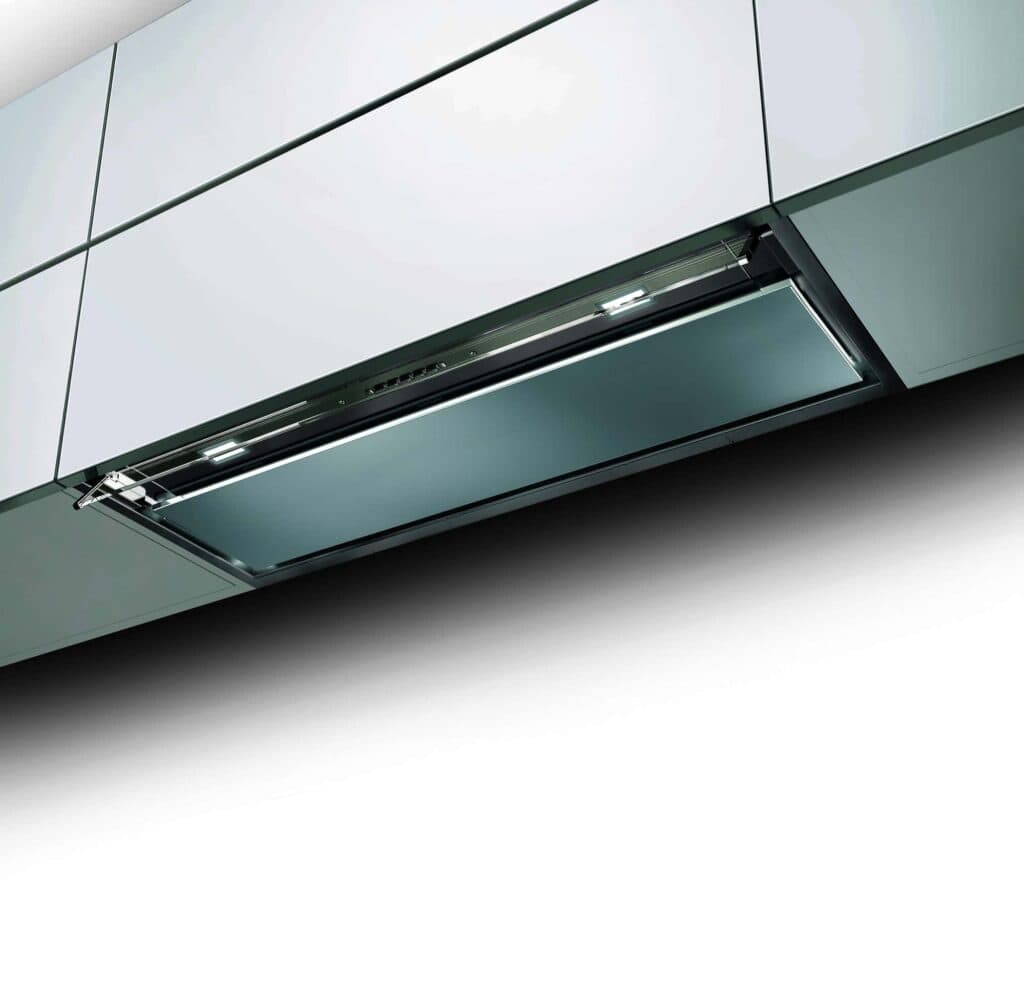
For example, Faber’s In-Light integrated cooker hood boasts an impressive A energy rating, making it an environmentally responsible choice that is also easy on your pocket.
Noise Levels
Noise levels are another crucial consideration when buying an integrated cooker hood, especially in open-plan kitchens where the kitchen naturally flows into living, dining and entertaining spaces.
Cooker hood noise levels are typically measured in decibels (dB), which is a unit used to quantify the intensity (or “loudness”) of sound. The National Institute on Deafness and Other Communication Disorders classifies sounds at or below 70 dB as safe, with normal conversation having a rating between 60 dB and 70 dB.
High quality modern integrated cooker hoods have built-in noise reduction technologies; for example, all of Faber’s line of integrated hoods have a noise rating of less than 70 dB, making these appliances not only safe but also pleasant to use in everyday home life.
Installation Considerations
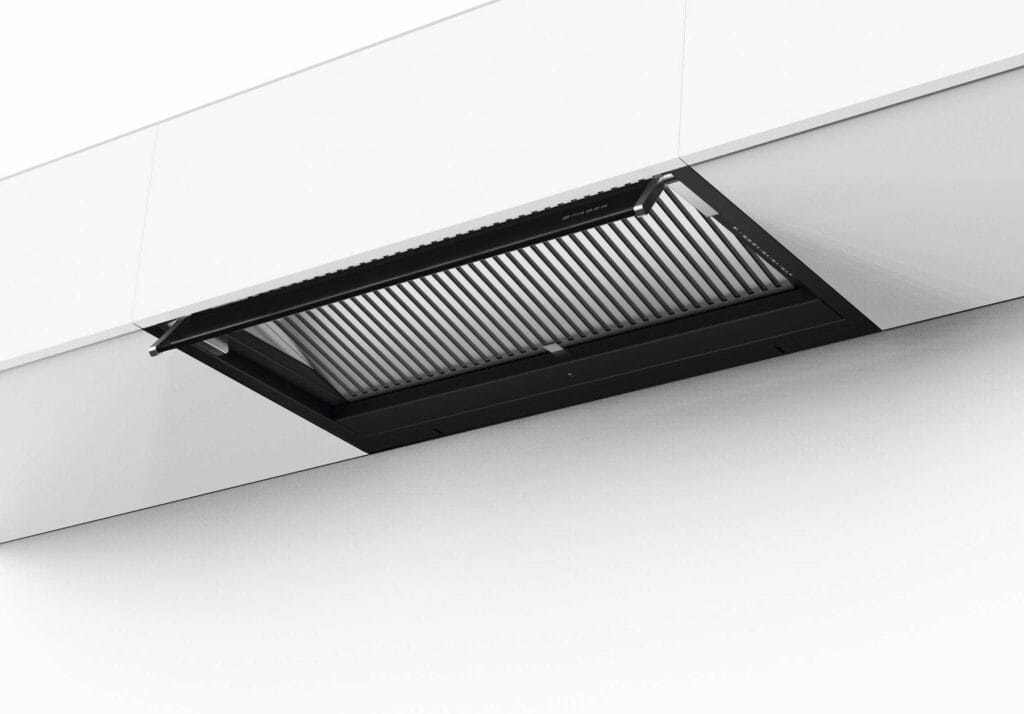
When installing an integrated cooker hood, professional installation is crucial to ensure optimal performance and longevity.
One key factor to consider when thinking about installation is the ducting requirements.
Finding the Right System for Your Kitchen
We know that integrated cooker hoods can be installed using either a ducted or a recirculating system. However traditionally, finding the right installation kit has been challenging for a number of reasons, the more important ones being the size and layout of the kitchen, along with sourcing the right fixtures for a particular job.
A Convenient All-In-One Solution With KitchenExtras
Fortunately, reliable suppliers can provide you with all-in-one installation solutions for your integrated cooker hood.
For example the UK supplier, KitchenExtras offer both ducting and recirculating kits compatible with all kinds of integrated cooker hoods.

These compatible kits ensure a seamless and efficient installation process, eliminating the hassle of sourcing separate components, making it easier to achieve a professional finish.
And if you purchase Faber’s hoods in the UK, you can get these ducting kits at a tidy discount too.
Find out more about these Ducting and Recirculating Kits here.
The Maintenance of Integrated Cooker Hoods
Studies on appliance maintenance show that regular upkeep can significantly extend the lifespan of kitchen appliances, reduce energy consumption, and maintain performance levels.
Therefore, maintaining your integrated cooker hood is key to ensuring it remains effective and efficient over time.
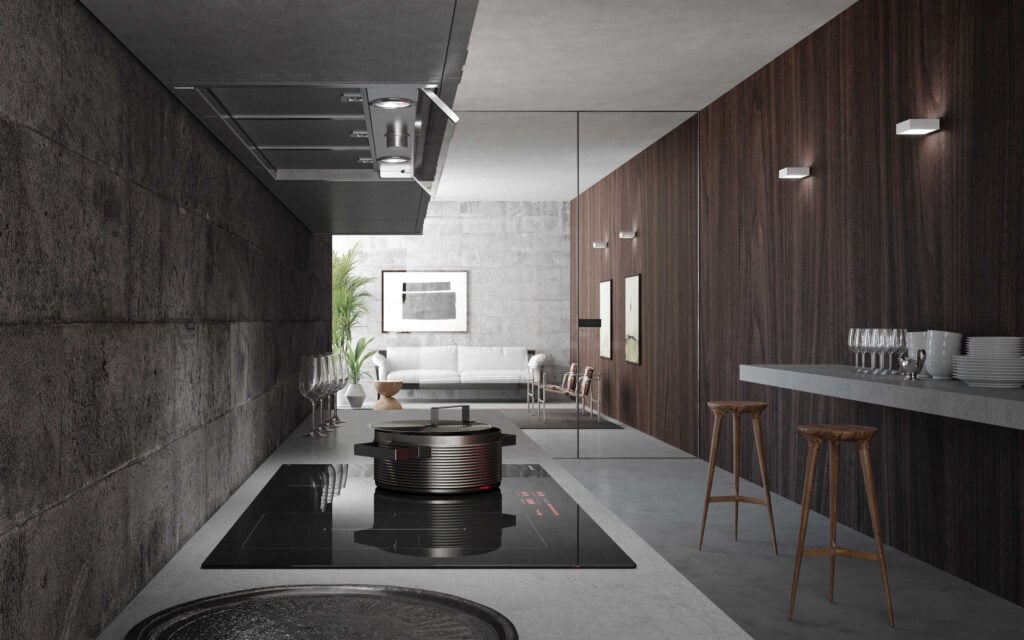
Some of the key regular maintenance tasks include:
Filter Cleaning/ Replacement
Clean, recharge or replace the filters as recommended by the manufacturer to maintain airflow and efficiency. Grease filters in particular need frequent cleaning to avoid blockages. And carbon filters need to be regularly recharged to keep performing at their peak.
Checking Ducting (If Applicable)
If your integrated cooker hood uses an extraction system, periodically inspect the ductwork for blockages or damage. This ensures that air is effectively expelled from the kitchen.
Motor Maintenance
It is important to ensure that the motor is functioning smoothly. A well-maintained motor will last longer and operate more quietly.
Integrated Cooker Hoods and Kitchen Air Quality
Cooking, especially with gas, releases harmful pollutants such as nitrogen dioxide (NO2) and carbon monoxide (CO). Without proper ventilation, these pollutants can linger in the kitchen, leading to poor air quality. Research indicates that prolonged exposure to these pollutants can exacerbate conditions like asthma and other respiratory ailments.
An integrated cooker hood plays a significant role in maintaining healthy indoor air quality by effectively removing these harmful pollutants quickly from the kitchen, reducing the risk of long-term health issues.
Filter Types
The effectiveness of an integrated cooker hood largely depends on the type of filters it uses. Different filters serve various purposes in purifying the air:
Grease Filters
These are typically made of metal or aluminium and are designed to capture grease particles before they can settle on kitchen surfaces or clog the ventilation system.
Regular cleaning of these filters is necessary to maintain their effectiveness. Fortunately, modern integrated cooker hood grease filters are dishwasher safe and can be easily cleaned regularly.
Charcoal Filters
Used primarily in recirculating integrated cooker hoods, charcoal filters use activated charcoal to bind air pollutants. The clean, filtered air is then circulated back into the kitchen through a vent.
Charcoal filters, when properly maintained or regularly replaced, are highly effective in maintaining a fresh-smelling kitchen.
PlasmaMade Filters
A more advanced option, PlasmaMade filters offer a superior level of air purification. Available through KitchenEx Ltd. in the UK, these filters use a four-level filtering system to not only eliminate cooking odours but also tackle allergens such as pollen and bacteria.
And with a lifespan of up to 15 years and a five-year warranty, PlasmaMade filters offer a durable solution for people who want to go beyond standard filtration to make kitchen air cleaner and healthier.
How to Choose the Right Integrated Cooker Hood for Your Kitchen
Here are some key considerations when planning to invest in an integrated cooker hood.
Size and Capacity
The extraction capacity of a cooker hood, also known as the extraction rate or airflow, is measured by the volume of air that the hood can extract from the kitchen in a given period of time.
This is typically expressed in cubic meters per hour (m³/h). Your integrated cooker hood’s extraction capacity should match the size of your kitchen and your cooking habits.
Kitchen Size
Larger kitchens may require a cooker hood with a higher extraction capacity to effectively remove moisture, smoke, and cooking odours.
A small kitchen, on the other hand, may only need a lower-capacity integrated extractor fan.
A simple formula to determine the appropriate extraction capacity for your kitchen is to multiply the volume of the kitchen (length × width × height) in cubic meters by a factor of 10 to 12.
For example, a kitchen with a volume of 30 m3 would ideally require a hood with an extraction capacity of 300–360 m³/h. You can also easily calculate the required extraction rate using Faber’s Extraction Rate Calculator.
Cooking Habits
If you frequently cook with a lot of steam, smoke, or strong odours, consider a built-in cooker hood with a higher extraction rate. This ensures that your kitchen remains fresh and clean, even after heavy cooking sessions.
Aesthetic Considerations
Consider how the cooker hood will fit into your kitchen’s aesthetics when choosing an integrated cooker hood. Modern integrated cooker hoods are available in a wide variety of colours, styles, designs and finishes to suit different types of kitchens.

For example, if you prefer clean, angular lines, Faber’s Inca Lux 3.0 would suit your taste very well. On the other hand, if you prefer a softer, more feminine aesthetic, the In-Light would be perfect.
Budget Considerations
Balancing cost with functionality and design is key when choosing an integrated cooker hood.
While high-end models come with advanced features, there are also more affordable options that offer excellent performance.
Consider what features are most important to you — whether it’s quiet operation, energy efficiency, or ease of maintenance — and find a model that meets these needs within your budget.
It is best to research different brands that provide a good balance of price and quality and pick a reliable supplier offering a range of models from basic to premium, allowing you to choose according to your budget.
Reviews
When selecting an integrated cooker hood, conducting thorough research is essential.
Online Research
Fortunately, online platforms offer plenty of reviews for a wide variety of integrated cooker hoods. It is important to consider both user reviews and expert reviews when comparing different hoods.
Also, go beyond search engine results and scour social media forums to get authentic user reviews before taking your final decision.
Word of Mouth
Personal recommendations from friends or family can provide valuable insights. Ask around to see what others have chosen and how satisfied they are with their choices.
Physical Showrooms
To truly understand how an integrated cooker hood will look and function in your kitchen, consider visiting physical shops and showrooms. This allows you to see the different models up close, assess their build quality, and envision how they will fit into your space.
Visit the KitchenEx Showroom
For UK buyers, a visit to KitchenEx’s showroom in South Yorkshire, Sheffield, is an excellent way to explore a variety of Faber’s integrated cooker hoods.
Faber, the pioneers of the domestic cooker hood, represent the pinnacle of heritage-inspired Italian design and engineering. Faber’s line of integrated cooker hoods is renowned for its seamless integration into kitchen cabinetry, offering a discreet yet powerful solution for modern kitchens.
At the KitchenEx showroom in Sheffield, you can immerse yourself in the Faber experience, view different models in person, and get expert advice.
And by choosing a Faber integrated cooker hood, you are investing in a kitchen solution that prioritises efficiency, elegance, and ease of use—backed by the trust and reliability that come with the Faber name.
To arrange a visit, you can book an appointment by emailing office@kitchenex.co.uk.
Conclusion
Integrated cooker hoods are the perfect blend of form and function, bringing sleek design, space efficiency, and powerful performance to your kitchen.
With their ability to seamlessly integrate into cabinetry, these appliances maintain the clean lines of a modern kitchen while efficiently managing cooking steam and odours. Whether you opt for extraction or recirculation, integrated cooker hoods offer a discreet yet effective solution that enhances both the look and value of your home.
So, if you are seeking a minimalist kitchen aesthetic without sacrificing functionality, an integrated cooker hood is the smart, stylish choice for the heart of your home.
FAQs
How Do Integrated Cooker Hoods Work?
Integrated cooker hoods work by using a built-in extractor fan to draw in moisture, cooking fumes and odours, which are then either vented outside through ducting or filtered and recirculated back into the kitchen. This ensures a clean and fresh kitchen environment while seamlessly blending into the cabinetry.
Are Integrated Cooker Hoods Any Good?
Yes, integrated cooker hoods are great for several reasons, including their ability to blend seamlessly into kitchen designs, save space, and provide effective ventilation without disrupting the aesthetics of the kitchen. They are ideal for modern, minimalist spaces and come with advanced features for convenience.