

18 July 2024
Everything you need to know about the vented hob and what to watch out for in a venting hob review!
- Introduction
- What is a vented hob?
- Key features of a vented hob
- Benefits of using a vented hob
- How to choose the right vented hob for your kitchen
- What to watch out for in a venting hob review
- Maintenance tips
- A quick recap
- FAQs
Vented hobs are innovative kitchen appliances that combine an induction hob with an extractor in one appliance. This dual functionality ensures a cleaner and more efficient cooking environment by capturing and removing steam, smoke, and odours directly at the source.
This article will cover everything you need to know about vented hobs, including their key features, benefits, and how they differ from traditional hobs. We will also provide guidance on choosing the right model, tips for maintenance, and what to watch out for in any venting hob reviews you might find online, ensuring you make an informed purchase. Let’s dive in!
What is a vented hob?

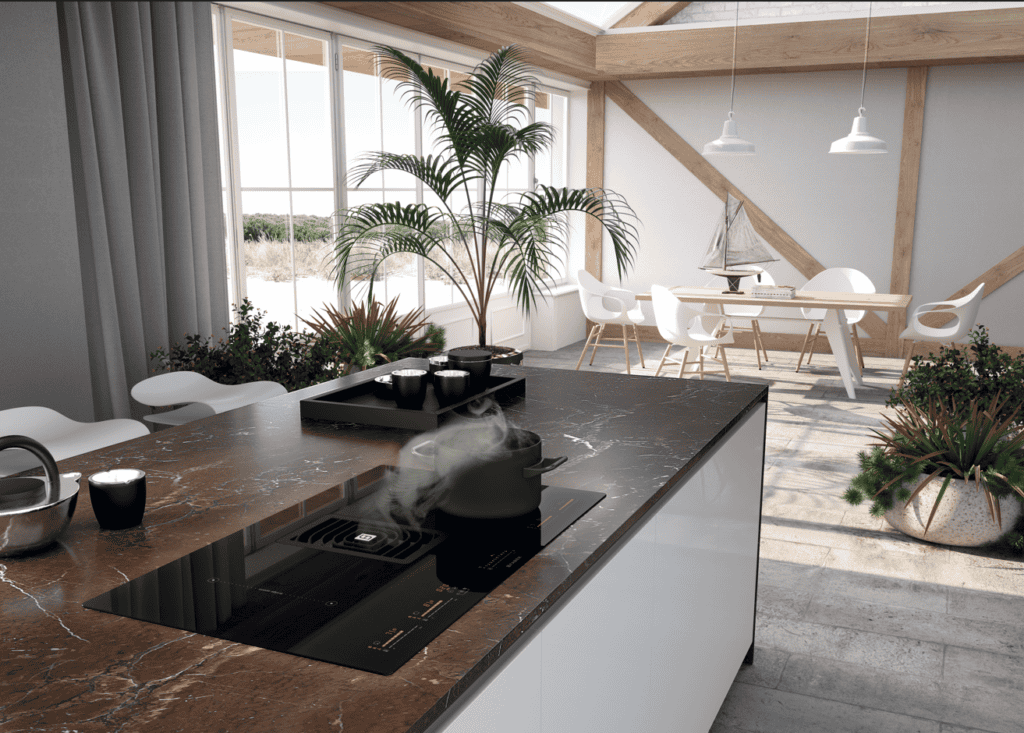
A vented hob is a modern built-in hob which contains cooking and extraction in one appliance. Unlike traditional hobs, a vented hob includes a built-in extraction system designed to remove steam, smoke, and cooking odours directly from the hob’s surface. This innovative design not only keeps your kitchen air clean and fresh but also eliminates the need for a separate extractor hood above the stove, offering a sleek and space-saving solution for contemporary kitchens.
How a vented hob differs from traditional hobs
A vented hob differs from traditional hobs primarily through its integrated ventilation system. While traditional hobs typically require an extractor positioned above the stove to remove cooking fumes, a vented hob has this functionality built in, making it more efficient and space-saving.
According to Which, vented hobs have “become symbolic of a luxury, no-expense-spared kitchen.” This makes vented hobs ideal for kitchen renovations or new homes.
Advantages of using a vented hob
Using a vented hob offers several advantages. As a modern, powerful appliance, a vented hob is highly efficient at removing steam, smoke, and odours right at the source.
Alongside, its space-saving design eliminates the need for a separate extractor hood, creating a sleek and modern kitchen aesthetic while also saving you money on purchasing a separate extractor.
Additionally, the space a vented hob saves above the hob can be used for statement lighting, shelving, or cabinetry for storage.
And finally, the fact that vented hobs are designed to be quieter than traditional extractors makes your cooking experience more enjoyable, particularly in open-plan kitchens.
Key features of a vented hob
Built-in ventilation system
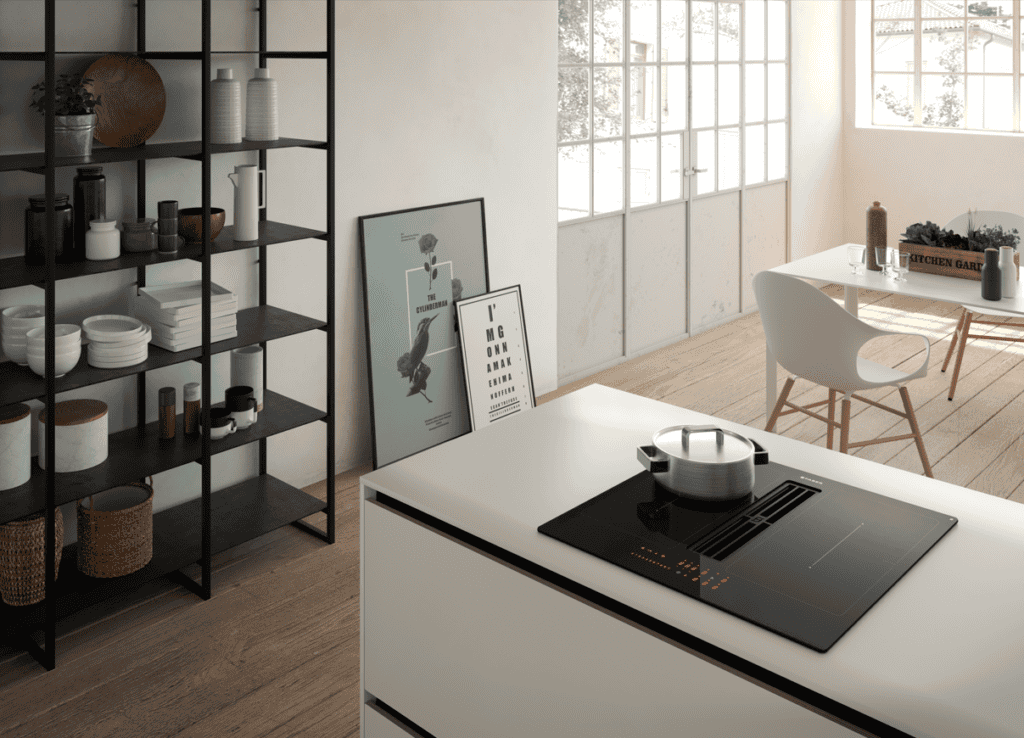
A key feature of the vented hob is its built-in extraction system, which sets it apart from traditional stove tops. Usually, you will find the extraction vent in the centre of the hob, appearing as a rectangle or a circle, covered with a heavy, protective grid.
And alongside controls for heat levels, you will also find controls for the extraction settings on the hob to help you control the strength and duration of the ventilation.
Types of vented hobs
Most vented hobs have induction technology which offers precise temperature control and energy efficiency. This is because induction technology only heats the cookware while keeping the surrounding surface cool.
Induction vented hobs also do not have a flame that might be affected by drafts, making them safer and more reliable in kitchens with high ventilation or air circulation.
And while gas vented hobs are certainly available on the market, they are expensive and rare to find.
Features and aesthetic appeal

Vented hobs are designed with both functionality and aesthetic appeal in mind, making them a stylish addition to any modern kitchen. Their sleek, streamlined look eliminates the need for a bulky overhead extractor hood, contributing to a cleaner and more open kitchen space.
Available in various finishes and styles, vented hobs can seamlessly blend with different kitchen décors, from minimalist to contemporary. Most importantly, modern vented hobs come with enhanced safety features like child lock and cool-touch technology, making them ideal for families with children.
This combination of practical features and elegant design makes vented hobs a highly sought-after addition to modern kitchens.
Ease of maintenance

When it comes to ease of maintenance, vented hobs offer a straightforward solution. Their glass surface means that clean-up after cooking is as simple as giving the hob a quick wipe using a damp rag.
Regular maintenance typically involves cleaning the filters and ensuring the ventilation ducts remain clear, which contributes to better air quality and prolongs the hob’s lifespan.
And with modern, high quality venting hobs like those by Faber, changing the filter is as simple as removing the central grid and replacing the internal filter.
Benefits of using a vented hob
There are several benefits of using a vented hob in your kitchen. Let’s look at some of these below.
Improved kitchen air quality
Vented hobs lead to a substantial improvement in kitchen air quality while cooking. By integrating powerful ventilation and advanced air purification capabilities directly into the hob, they efficiently remove cooking moisture and odours right at the source.
This ensures that your kitchen remains fresh and free from lingering smells, creating a healthier and more comfortable cooking environment.

Space-saving design
A vented hob’s space-saving design is a standout benefit, as it combines cooking and ventilation in one sleek unit. This integration eliminates the need for a separate overhead extractor hood, freeing up valuable overhead space and providing a more open, streamlined kitchen layout.
This design is particularly advantageous for smaller kitchens or open-plan living areas, where maximising space and maintaining a clean aesthetic are essential.
Enhanced cooking experience
Vented hobs provide efficient extraction directly at the cooking surface, allowing you to cook without the distraction of steam and lingering smells rising to your face. This unique placement of extraction technology ensures a clear view and better monitoring and control of your dishes, leading to more precise and enjoyable cooking.
Energy efficiency
Energy efficiency is another key benefit of vented hobs, particularly with induction models. These hobs heat only the cookware and its contents, minimising wasted energy and ensuring faster cooking times.
Additionally, modern built-in extractors use less power compared to traditional overhead extractors, contributing to lower energy consumption and reduced utility bills.
How to choose the right vented hob for your kitchen
Now that you know a little bit about the benefits of using a vented hob, let’s take a look at how to go about choosing the right vented hob for your particular kitchen.

Assessing your cooking needs and habits
The very first thing is to assess your cooking needs and habits. Consider the type of cooking you do most frequently—whether it’s quick stir-fries, simmering soups, or elaborate multi-course meals. Understanding your cooking style will help you select a vented hob with the appropriate features and power levels to meet your culinary demands effectively.
For example you might be looking at a vented hob model that looks fantastic, but if its extractor is not powerful enough for your cooking style, it will not suit your kitchen.
Space and design compatibility
Ensuring space and design compatibility is essential when choosing a vented hob. Measure your available kitchen space accurately and consider the layout to find a model that fits seamlessly.
If you plan to visit a showroom to look at a selection of vented hobs, do take a tape-measure with you to ensure that what’s on show will actually fit the space you have at home.
Additionally, think about the overall design and aesthetics of your kitchen to choose a vented hob that complements your décor. For example, some vented hobs are designed to be nuanced and subtle ─ such as the Galileo Slim, with its ultra-slim profile ─ while others are designed to make a bold statement, such as the Galileo Bold with its bright red LED controls.
Regardless, you can rest assured that all vented hobs make a sleek and trendy addition to any kitchen.

Budget considerations
Budget considerations are crucial when selecting a vented hob, as prices can vary widely based on features and brands. Determine how much you are willing to spend and look for models that offer the best value within your price range.
Remember to factor in not only the initial purchase cost but also potential installation fees and long-term maintenance expenses to ensure you stay within your budget.
The best thing to do is to opt for a reputable brand, such as the original inventors of kitchen extractors, Faber, and then look through their selection of vented hobs that are designed to suit a wide range of budgets. In this manner, you know that your appliance is coming from a reliable manufacturer and will last you years, no matter what model you go for.
Brand reputation and warranty
Considering brand reputation and warranty is vital for making a reliable choice for your new vented hob. A good warranty can provide peace of mind, offering protection against potential issues and ensuring that you have support if any problems arise with your vented hob.
Research well-known brands that offer no-quibble warranties across their products. For example Faber offers a two-year warranty for service and spares as standard, regardless of what vented hob your purchase. They also have a highly reputable local service partner to promptly deal with any repairs. You can find all the information you need at this link.
What to watch out for in a venting hob review
With so much data available online, it’s important to identify reliable sources of information. Let’s take a quick look at how you can tell that what you are reading is worth consideration.
Reliability of the source (expert reviews vs. user reviews)
Expert reviews often provide in-depth, technical insights and are usually unbiased, while user reviews offer practical, everyday experiences.
While both perspectives are valuable, affiliate websites will present a biased view tilted towards their sponsoring brand. In such cases, user reviews can reveal long-term satisfaction and potential issues.
Sometimes you might have to dig beyond review websites and perhaps within forums like Reddit, to find all the information you are looking for. So don’t just settle for the top Google results!
Detailed analysis of features and performance
Look for reviews that provide a detailed analysis of features and performance. Reviews should cover aspects like aesthetics, heating efficiency, extraction rate, ease of use, and additional functionalities.
Sometimes, personal blogs or even social media can present aspects of a vented hob that you might miss in a general review, so do your due diligence as thoroughly as possible to understand how well the vented hob will meet your specific cooking needs.

Insights on installation and maintenance experiences
Reviews that offer insights on installation and maintenance experiences are particularly helpful. They can inform you about the complexity of the installation process, any additional costs involved, and how easy or difficult it is to maintain the hob over time. This information ensures that you’re prepared for all aspects of owning a vented hob.
Consideration of price vs. value
Finally, pay attention to reviews that discuss price versus value. It’s important to know if the vented hob offers good value for your money and whether a particular model is worth the investment.
Maintenance tips
To ensure the longevity of your vented hob, make sure you follow some regular maintenance practices. Here is a quick overview of what this might look like:
Regular maintenance practices to ensure longevity
- Clean the cooking surface and ventilation grates regularly to prevent grease buildup and ensure optimal performance. Glass hobs are easily wiped with just water, or a mild glass cleaner.
- Check and replace filters as recommended by the manufacturer to maintain efficient ventilation. High quality vented hobs such as the Galileo Stripes make this job super-easy by having the filters right underneath the central grille so you can simply take them out and regenerate them when needed.
- Inspect the hob’s components periodically to catch any wear and tear early, preventing minor issues from becoming major problems.
Troubleshooting common issues
As with any large appliance, you might occasionally encounter minor issues with your vented hob. To help you address these quickly and efficiently, here is a table to guide you through common problems and their solutions:
| Problem | Solution |
| Ventilation system not working | Check for blockages in the vents and clean or replace the filters. Ensure the power supply is connected and functioning. |
| Uneven heating on the hob | Ensure cookware is flat and compatible with the hob type. Check for proper placement on the cooking zone. |
| Persistent odours after cooking | Clean the filters and ventilation grates thoroughly. Consider using a higher extraction setting during and after cooking. |
| Hob not turning on | Verify that the hob is plugged in and the circuit breaker hasn’t tripped. Consult the user manual for specific troubleshooting steps. |
| Display or controls not responding | Reset the hob by turning it off and on again. If the problem persists, consult the user manual or contact customer support. |
If you are still facing challenges, having a dependable local customer support team can make a huge difference. For instance, Faber is renowned for its longstanding commitment to exceptional local service with its dedicated customer service provider, promptly resolving all inquiries.
A quick recap

Vented hobs offer a host of benefits, including improved kitchen air quality, space-saving design, enhanced cooking experiences, and energy efficiency. By integrating powerful ventilation directly into the hob, these appliances ensure a cleaner and more enjoyable cooking environment while adding a sleek, modern touch to your kitchen.
When making an informed purchase, it’s crucial to assess your cooking needs, budget, and kitchen space. Considering brand reputation and warranty can also provide peace of mind, ensuring that your investment is protected and that you receive a high-quality product that meets your expectations.
Before making your final decision, we encourage you to read detailed venting hob reviews. These reviews offer valuable insights into the performance, features, and reliability of different vented hob models, helping you make a well-informed choice.
On the other hand, if you are a fan of traditional cooker hoods, check out this post about how you can keep your extractor hood in top condition.
FAQs
How does a vented hob work?
A vented hob works by integrating a powerful ventilation system directly into the cooking surface, capturing steam, smoke, and odours right where they are produced. This built-in extractor efficiently removes these elements from the air, ensuring a cleaner and more pleasant kitchen environment.
How to fit a vented hob?
To fit a vented hob, you need to measure your countertop and cut an appropriately sized hole if one is not already available. Once the hob is placed into the cutout, secure it according to the manufacturer’s instructions, typically by fastening it with screws or clamps, and ensure it is connected to a power source.
How to duct a vented hob?
To duct a vented hob, you need to connect the hob’s ventilation outlet to an external vent using the appropriate ductwork. This often involves running a duct pipe from the hob to an external wall or roof vent, ensuring that all connections are sealed properly to prevent leaks and maximize ventilation efficiency.